- Teaching Strategies
23 Bell Ringers Teachers Love
We asked teachers for their favorite ways to start class. Nearly 400 responded—here are some of their best ideas.Your content has been saved!
Go to My Saved Content. - Media Literacy
Will These 6 Sneaky Charts, Maps, and Graphs Deceive Your Students?
In a media landscape overrun with slick data visualizations, students must develop the skills to scrutinize what’s presented to them as fact—or risk being led astray.Your content has been saved!
Go to My Saved Content. - Classroom Management
How Veteran Teachers Keep Their Cool
Go-to strategies from veteran teachers for maintaining a ‘responsive, not reactive’ approach to classroom conflict.Your content has been saved!
Go to My Saved Content. - Literacy
60-Second Strategy: Waterfall Reading
This choral reading activity builds fluency and confidence, especially for students who feel overwhelmed at the prospect of reading out loud alone.Your content has been saved!
Go to My Saved Content. - Formative Assessment
4 Ways to Help Students Engage With Feedback
Middle and high school students benefit from having time to review and reflect on feedback on their formative assessment performance.102Your content has been saved!
Go to My Saved Content. - Literacy
Implementing Experiential Writing to Increase Engagement
High school teachers can encourage students to reflect on meaningful experiences to spark authentic writing.101Your content has been saved!
Go to My Saved Content. - Professional Learning
Rehearsing Lessons Together Helps Teachers Build Good Habits
Practicing instructional moves promotes fluency and automaticity of content and explanations in a safe environment focused on professional growth.232Your content has been saved!
Go to My Saved Content. - Teaching Strategies
Building Students’ Confidence and Understanding in Math
Students are better able to engage with and solve complex problems when they view themselves as capable mathematicians.215Your content has been saved!
Go to My Saved Content. - Brain-Based Learning
Students Don’t Decide Whether to Pay Attention
Attention in the teen brain follows biological rules, and teachers can work with them to help ensure that students learn.341Your content has been saved!
Go to My Saved Content. - Classroom Management
Teaching Preschool Students How to Navigate Conflicts
Teachers can ask students these three mediation questions the next time a dispute arises in the classroom.261Your content has been saved!
Go to My Saved Content.






Popular
- Student Engagement
Kicking Your Beginning-of-Year Activities Up a Notch
A teacher shares variations on covering the syllabus, creating class norms, and starting to build a community that he designed to boost student engagement from day one. - The Research Is In
Are Student Attention Spans Really Shrinking?
It’s not a mirage—students are struggling to focus like never before. But shorter attention spans may not be the culprit, experts explain. - Administration & Leadership
Making Sure Every Child in School Feels Known
Decades of research underscore the benefits of student belonging. Here’s how five school leaders create systems to put that into action. - Student Engagement
The Michelangelo Phenomenon: Encouraging Every Student to Meet High Expectations
Teachers can harness a research-backed idea named after the famed artist to guide students to tap into their strengths in service of their schoolwork. - Classroom Management
A Rubric for Assessing Your Classroom Management Strengths and Weaknesses
This detailed rubric enables teachers to methodically reflect on their routines in order to understand the status of their class.





- Assessment
5 Ways to Make Assessments More Accessible Without Lowering Expectations
Teachers can remove unnecessary barriers in designing assessments that will give them solid information about what students know. - AI in Education
Is Your Assignment Vulnerable to AI?
Instead of starting with the question ‘can AI do this?,’ it may be more helpful to ask, ‘What thinking is required of students?’5.1kYour content has been saved!
Go to My Saved Content. - Assessment
The Endless Pile: How to Mitigate Grading Woes
By reserving grades for work that truly measures progress and using feedback for everything else, teachers can reduce stress and give students clear guidance for growth. - Literacy
A Case for Conferencing With Students Instead of Giving Written Feedback
Holding a 15-minute meeting with each student creates a chance to discuss what’s working in their writing and what they think about it. - Assessment
4 Ways to Get Students to Submit Assignments on Time More Often
Teachers can reduce the amount of late work they need to chase down and ensure that students get the feedback they need to improve.





- Professional Learning
Podcast: 5 Common Teacher Mistakes and How to Fix Them
Teacher mistakes remind us that the learning never stops. Here are tips for coping and resetting when things go sideways in class.
2.1kYour content has been saved!
Go to My Saved Content. - Teacher Wellness
6 Ways to Manage the Mental Load of Teaching
If you’re feeling overwhelmed by your responsibilities, these daily strategies can help you connect to the present moment.2.2kYour content has been saved!
Go to My Saved Content. - Teacher Wellness
Having a Teacher Friend Is the Most Useful Resource in Year One
All teachers need thought partners—and someone to cover their room for bathroom breaks—and for new teachers the benefits can be huge. - New Teachers
3 Books That Support Teacher Mindset Going Into the School Year
These books help new educators gain insight into the emotional labor of the profession and prepare for the first day of school and beyond.1.2kYour content has been saved!
Go to My Saved Content. - Administration & Leadership
Building Leadership Skills Across Your School
Administrators can provide training to ensure that classified or non-instructional staff have the skills needed to successfully supervise their team.1.6kYour content has been saved!
Go to My Saved Content.




- Teaching Strategies
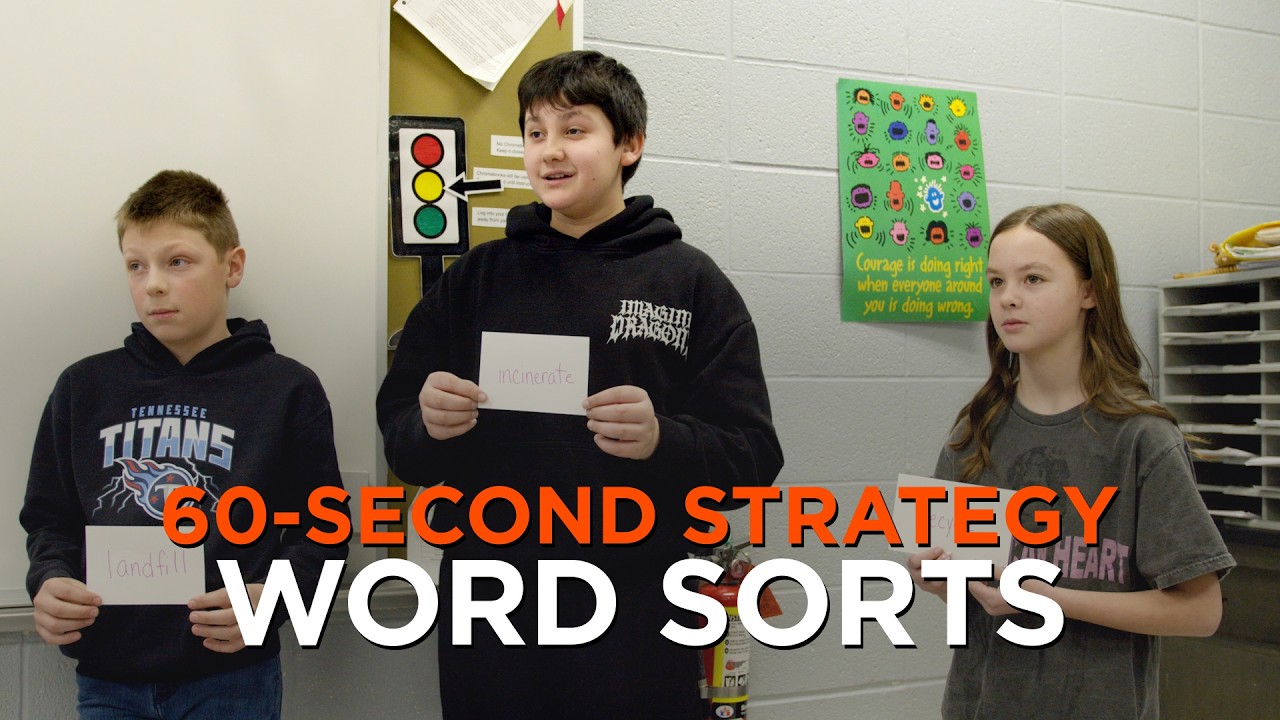
60-Second Strategy: Science Word Sorts
A flexible warm-up where students work together to group related vocabulary words or concepts can cement their understanding—and help teachers assess prior knowledge.Your content has been saved!
Go to My Saved Content. - Formative Assessment
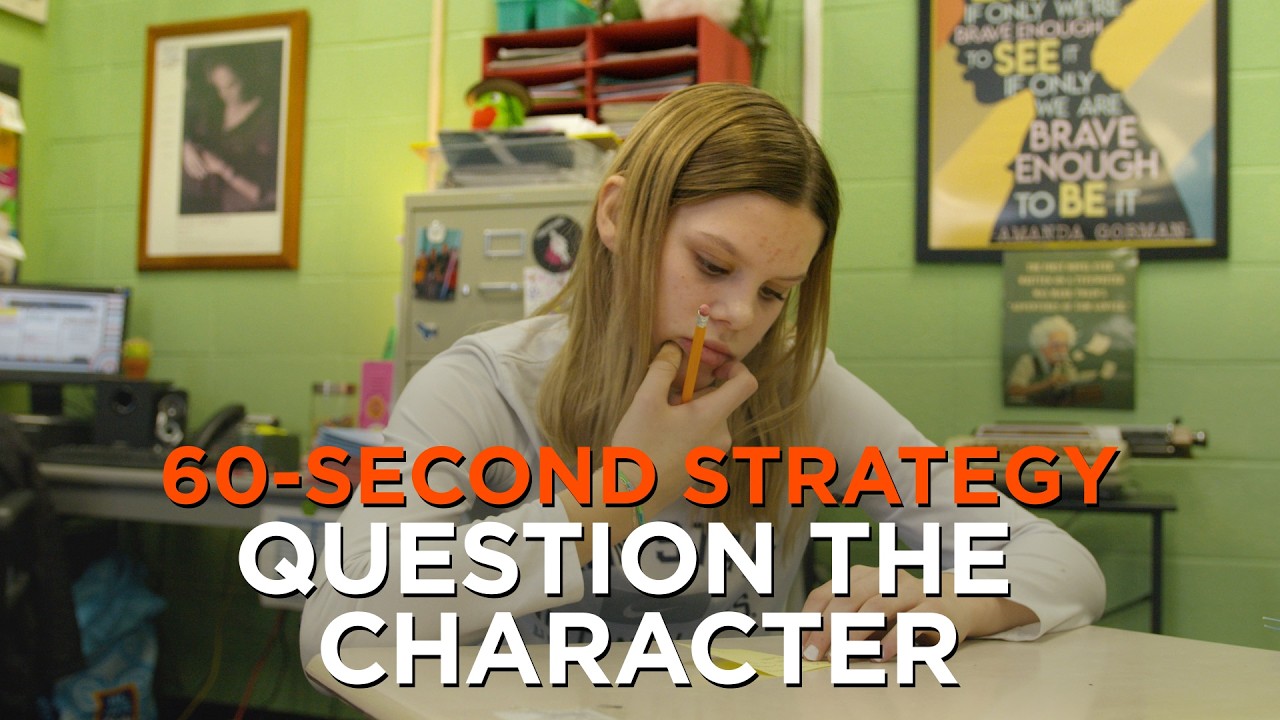
60-Second Strategy: Question the Character
Having students engage with the characters they’re reading about reveals whether they read the chapter—but better yet, it improves their literary analysis skills and elevates classroom discussion. - Formative Assessment
How to Create Highly Effective, Discussion-Worthy Multiple-Choice Questions
Well-written multiple-choice items can deepen thinking and learning, rather than simply challenging students to recall basic facts. - Formative Assessment
Implementing a ‘Halftime Ticket’ to Gauge Understanding
Teachers can borrow the idea of halftime from sports by shifting exit tickets to earlier in the class, assessing how well students understand a lesson—and what they need to get the win. - Teaching Strategies
Making the Most of Learning Objectives
Asking students to unpack learning objectives with a quick routine helps them connect prior knowledge and feel more prepared for the day’s lesson.33.2kYour content has been saved!
Go to My Saved Content.